
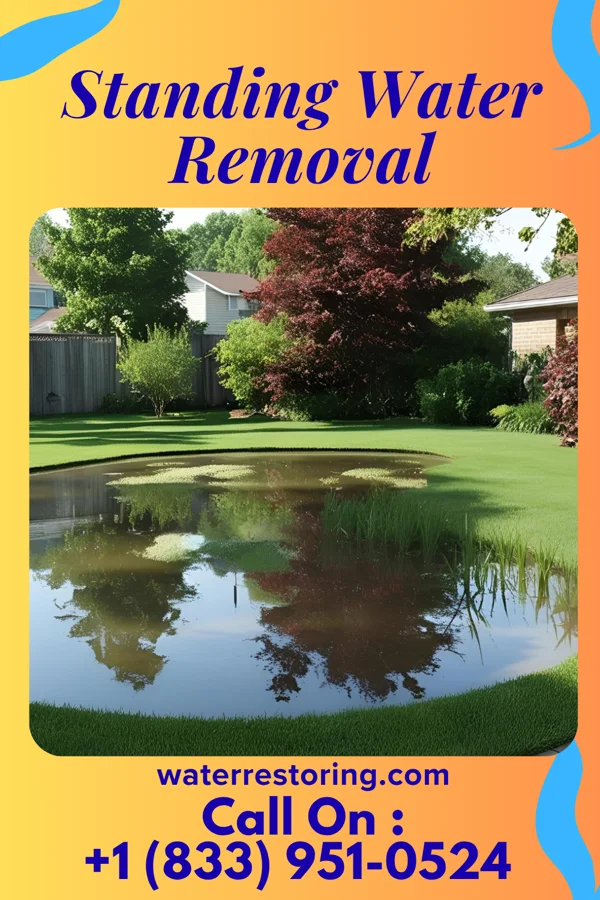
Why Castleton-on-Hudson Standing Water Demands Fast Removal
Most water damage emergencies in Castleton-on-Hudson start with In Castleton-on-Hudson, water damage is most commonly caused by burst pipes, especially during the colder months when frozen pipes are prevalent. Another frequent cause is roof leaks due to the area's occasional heavy rainfall and aging infrastructure. These issues can lead to significant interior damage if not addressed promptly.. A close second is Secondary causes include flooding from nearby rivers or streams, particularly after heavy storms, and sewer backups from the local wastewater systems. Additionally, groundwater seepage through basements is a growing concern due to the area's proximity to waterways.. From the second water touches the property, every minute changes what gets saved and what gets ripped out.
Castleton-on-Hudson experiences a humid continental climate with cold winters and warm summers, increasing the risk of both freezing pipe bursts and summer flooding. The region's location near the Hudson River also makes it vulnerable to seasonal water level fluctuations and storm-related flooding.
Most standing water removal calls in Castleton-on-Hudson come from In Castleton-on-Hudson, water damage is most commonly caused by burst pipes, especially during the colder months when frozen pipes are prevalent. Another frequent cause is roof leaks due to the area's occasional heavy rainfall and aging infrastructure. These issues can lead to significant interior damage if not addressed promptly.. Running a close second is Secondary causes include flooding from nearby rivers or streams, particularly after heavy storms, and sewer backups from the local wastewater systems. Additionally, groundwater seepage through basements is a growing concern due to the area's proximity to waterways.. Local mold risk: Mold growth in Castleton-on-Hudson can occur within 48 hours of water exposure, especially in the humid summer months. Due to the area's climate, prompt water damage restoration is critical to prevent mold from spreading and causing long-term health and structural issues.
For public guidance on the health effects of mold after prolonged water exposure, see the EPA mold and health page.