
Common Roof Leak Causes in Castleton-on-Hudson
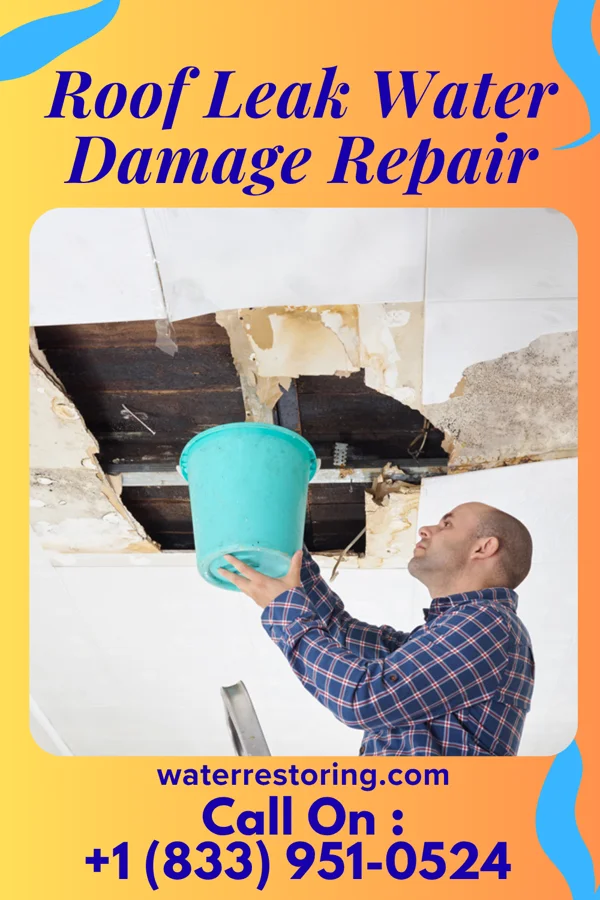
Most roof leak water damage repair calls in Castleton-on-Hudson come from Castleton-on-Hudson experiences frequent spring and early summer thunderstorms, which can lead to sudden and heavy rainfall. These storms often bring strong winds that can damage roofing materials, increasing the risk of leaks. The region's humid climate also contributes to prolonged moisture exposure, which can weaken roofing systems over time.. A close second is In the late summer and early fall, the area is prone to prolonged periods of rain, which can saturate roofs and lead to water infiltration. Sudden temperature drops during the fall can cause roofing materials to contract and expand, creating gaps that allow water to seep in.. If you know what is about to happen, the decisions during the first 48 hours get a lot easier.
The combination of heavy rainfall, humidity, and temperature fluctuations in Castleton-on-Hudson can lead to a variety of roof-related issues, including shingle deterioration, flashing failure, and water infiltration into attic spaces. These conditions make regular roof inspections and timely repairs essential.
Most roof leak water damage repair calls in Castleton-on-Hudson come from Castleton-on-Hudson experiences frequent spring and early summer thunderstorms, which can lead to sudden and heavy rainfall. These storms often bring strong winds that can damage roofing materials, increasing the risk of leaks. The region's humid climate also contributes to prolonged moisture exposure, which can weaken roofing systems over time.. Running a close second is In the late summer and early fall, the area is prone to prolonged periods of rain, which can saturate roofs and lead to water infiltration. Sudden temperature drops during the fall can cause roofing materials to contract and expand, creating gaps that allow water to seep in.. Local mold risk: Mold can begin to grow within 48 hours of water exposure in Castleton-on-Hudson due to the region's high humidity levels. This can lead to secondary damage such as wood rot, weakened structural components, and health risks for occupants.
For public guidance on the health effects of mold after prolonged water exposure, see the EPA mold and health page.